

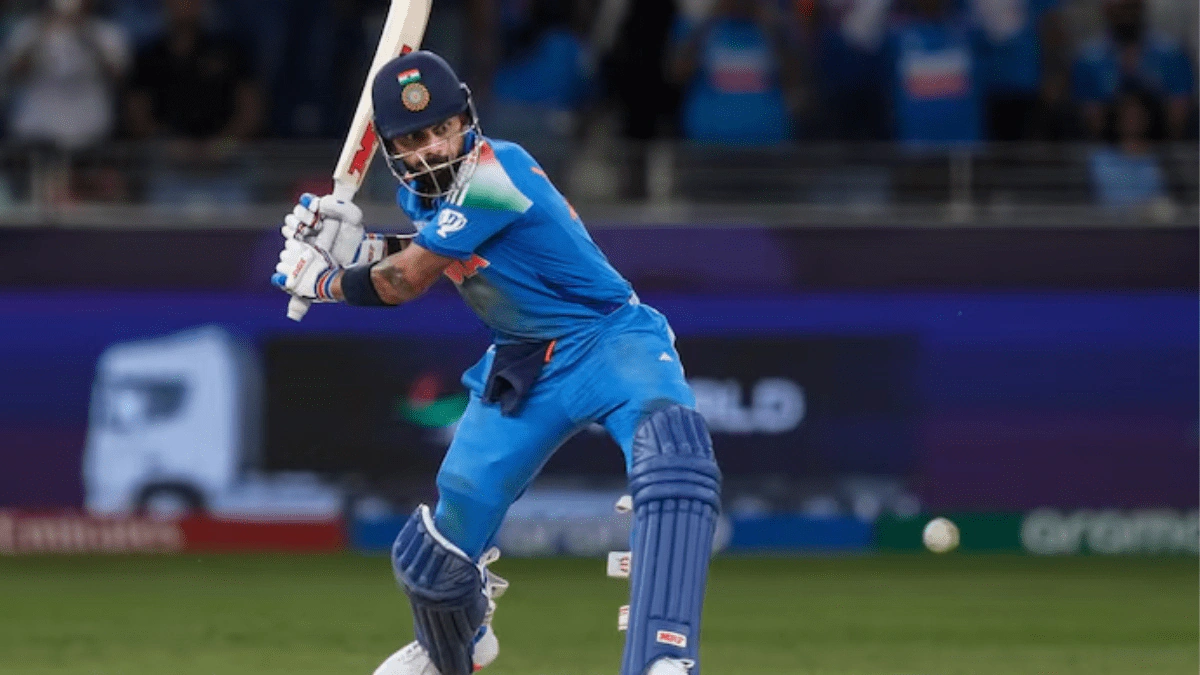
Cricket moves through phones almost as quickly as it moves across the field. A wicket becomes a message, a close chase becomes a screen recording, and a sharp catch can turn into a fan edit before the match is even finished. People do not always watch from the same place anymore. One person follows the score from a bus, another checks updates between work tasks, and someone else shares a short clip or styled post in a group chat. That is why live match links need to be clear, fast, and easy to share without making fans search for the basic score.
A live link should open to the match first
When someone shares a cricket live match link, the person opening it usually wants the match situation right away. The score should be visible, but it should not stand alone. Wickets, target, current batters, remaining overs, and the latest match event all explain why the score matters. A team chasing 156 may look comfortable with two settled batters, then feel under pressure after one run-out changes the whole mood. If those details sit close together, the link feels useful within seconds.
This matters because many cricket links are opened in the middle of another activity. A fan may tap the link after seeing a message, a meme, a short edit, or a quick score reaction. If the page loads slowly or hides the score under crowded blocks, the moment loses its value. A good live page should respect that short attention window. It should help the reader understand the match quickly, then decide whether to stay, share, or return later.
Why cricket links travel so fast in chats
Live cricket has become part of everyday group chat culture. People share links because they want others to see the same moment at the same time. A wicket link can restart a quiet chat. A tight chase can bring distant friends into one conversation. A strong batting spell can become the base for a short caption, edited graphic, or quick reaction post. The link works best when it gives everyone the same clear starting point.
The problem starts when the link opens to a confusing page. If one person sees only the score and another has to search for the target, the conversation becomes scattered. A useful page should let people understand the match before they react. That way, the group chat can move toward the actual cricket instead of repeated questions about who is batting, how many overs remain, or why everyone is suddenly nervous.
What makes a match link worth sharing
A strong live match link should feel simple when someone opens it from a phone. It should answer the questions fans naturally ask before sending a message or making a quick edit.
- What is the current score and wicket count?
- Who is batting right now?
- What target is being chased?
- How many overs remain?
- What changed in the last few minutes?
- Is the latest update clearly timed?
These details make the link more useful for casual fans and serious followers. A person can send a better message when the match state is clear. Instead of writing that the game is tense, they can explain that two new batters are in and the required rate has started to climb. That small difference makes the conversation more real.
Fan edits need accurate match details
Cricket edits work better when they are built on the right moment. A dramatic font, a short video cut, or a styled score post can look good, but it still needs the match facts behind it. If the score is old, the batter name is wrong, or the wicket count is missing, the edit loses trust fast. Fans notice those details because cricket conversations move quickly and mistakes spread just as fast.
The best edits start with clear information
A clean live page gives creators better raw material. The scorecard, latest wicket note, batters, and match stage help people make posts that feel connected to the game rather than random excitement. A catch, review, partnership, or final chase can all become stronger visual content when the facts are easy to check. Good design does not replace creativity. It gives fans a steadier base before they turn the moment into something shareable.
The page should stay calm during big moments
The busiest cricket moments are also the moments when pages are tested hardest. A final chase, a review call, a sudden collapse, or a major India match can bring many people to the same page at once. If the link freezes or the screen jumps around, fans lose patience quickly. They do not care about the technical reason. They only know the update failed when they needed it.
A live page should load quickly, refresh cleanly, and keep the newest match event easy to notice. It should not push users through unclear buttons or hide the score behind unrelated blocks. Cricket already carries enough pressure through the match itself. The page should make that pressure easier to read, not harder to follow.
A shareable link should respect the fan
The best live cricket link is the one people can open, understand, and share without extra effort. It gives the score, explains the current moment, and keeps the layout readable on a phone. That matters for fans, group chats, and anyone creating cricket edits from live moments. When the page keeps match details clear, the link becomes more than a doorway to a score. It becomes a useful starting point for conversation, reaction, and the small creative posts that keep cricket moving long after each ball is bowled.
