

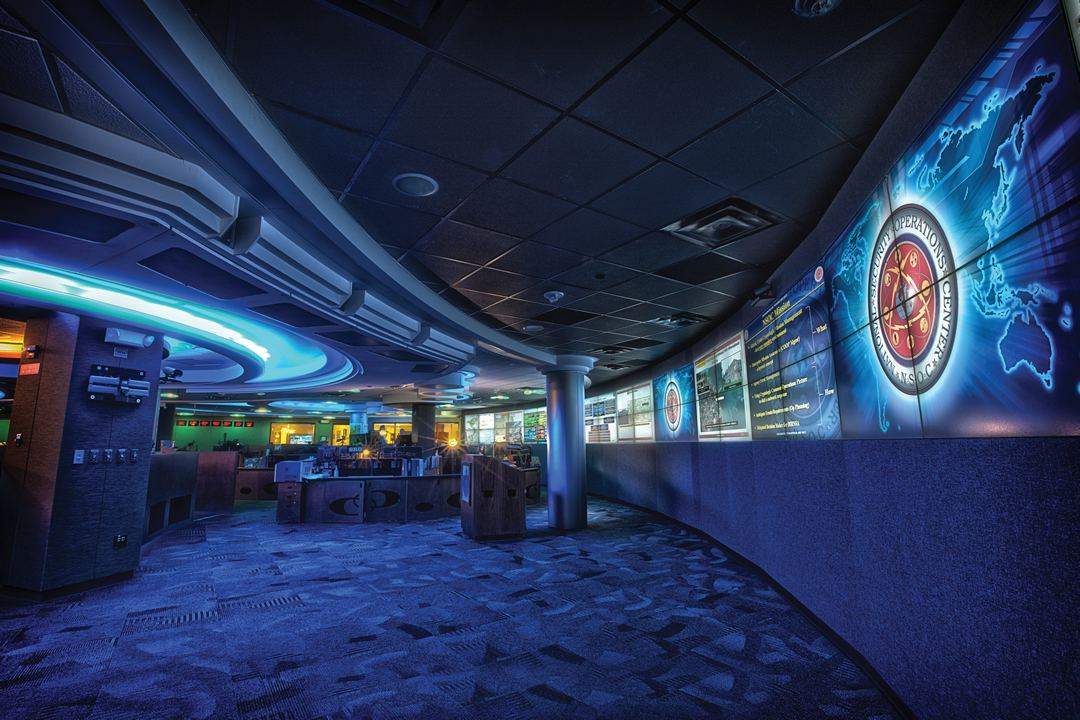
A security operations centre rarely sleeps, even when the offices around it are dark and quiet. Through the night, analysts watch dashboards that gather login attempts, network traffic and software alerts from hundreds of systems at once. Most signals turn out to be harmless, such as a forgotten password or an automatic update arriving at an unusual hour. The real skill lies in spotting the few patterns that do not fit, and then checking them calmly before they grow into something larger. Teams work in rotating shifts, hand over detailed notes, and keep a shared record so that nothing important is lost between one group and the next. It is patient, methodical work rather than drama. Shift handovers are treated as seriously as any alert, with outgoing analysts walking their replacements through open cases, odd patterns and systems already checked.
What the Evidence Shows
Modern centres rely on automation to sort the routine from the risky, flagging unusual behaviour for a human to review first. Analysts then trace where a suspicious file came from, which accounts it touched, and whether any data actually left the network. Clear playbooks help the team act quickly without guessing, isolating an affected laptop while keeping the rest of the business running. Regular reviews after quiet nights matter too, because they reveal weak passwords, outdated software and settings that drift over time. For smaller organisations that cannot staff a centre alone, shared services now offer the same watchful eye around the clock. After an incident closes, the team holds a short review to ask what worked, what slowed them down and what should change in the playbook. Those lessons are written down while memories are fresh, then tested in later training exercises. Over months, that steady habit of reviewing and refining is what turns a room full of screens into a genuinely dependable line of defence. Reporting and analysis from sources such as Wired track the same developments, and specialists following security operations centre say the direction is now consistent across independent lines of evidence.
The Wider Context
The wider context is an industry learning to ship capability and restraint together. Products built around security operations centre now launch with safety evaluations, usage data and rollback plans as standard, because enterprise buyers and regulators ask for them in the first meeting. Companies that treated those questions as friction are discovering they have become the purchase criteria.
What Happens Next
What happens next for security operations centre depends less on another breakthrough than on the unglamorous work of reliability, pricing and support. The buyers evaluating it now are not enthusiasts; they are operators with budgets and auditors, and their checklists will decide the timeline. On the evidence of the current pilots, the technology has earned the right to be judged by them. You can follow related developments in our coverage of technology.
None of this will be settled by a single announcement, study or product launch. The pattern to watch is accumulation: independent confirmations, honest reporting of failures and steady improvement in the underlying numbers. Readers who follow those signals, rather than the loudest claim of the week, will understand this subject better than most of the commentary surrounding it suggests is possible.
