

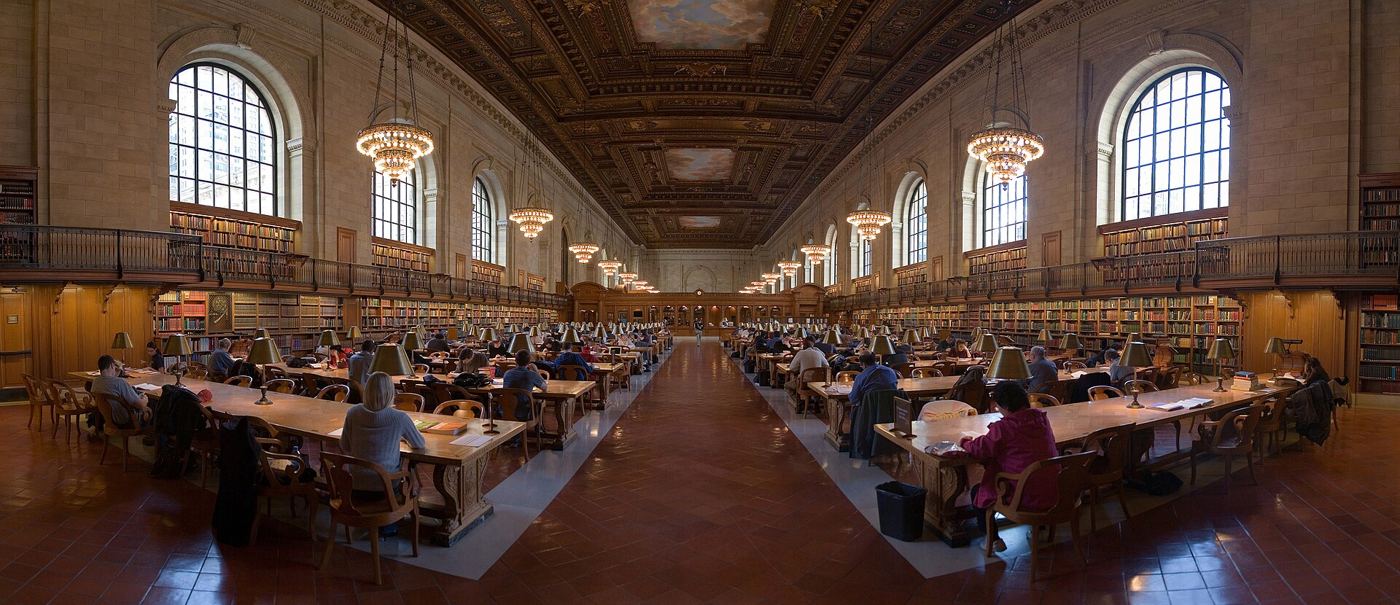
Public libraries are extending reading room hours into more evenings and weekends, as demand grows from students revising, jobseekers preparing applications, and residents who simply lack a quiet place to work at home. Library services say the pattern of use has changed: alongside traditional borrowing, visitors increasingly come for reliable heating, internet access, printing, and a calm table where concentration comes easier. Extended hours are being introduced first at central libraries, where staffing can be organised most efficiently, with smaller branches adding selected late sessions during exam periods. Staff emphasise that no purchase or membership test is required to sit and study, a point they repeat because many people still assume libraries are only for borrowing books and quietly leave when they have nothing to check out. The wider point is simple: systems earn confidence when ordinary users can understand them, question them, and use them safely. For many people, that kind of steady, practical improvement matters more than dramatic announcements or bold promises about the future.
What the Evidence Shows
The extended hours are funded through partnerships with councils and education charities, which regard libraries as existing infrastructure that can support learning immediately, without new buildings. Job clubs and digital skills sessions are being scheduled into the new evening slots, so visitors can combine private study with help when they need it. Librarians also report a social benefit that statistics capture poorly: regulars who study alongside each other form a loose community that makes turning up easier on difficult days. Demand will be reviewed after the first term, and services say popular sessions will be protected where possible. For now, the lights staying on later is a simple change with wide effects, signalling that the library remains one of the few indoor places open to everyone, free, and without expectation. The next stage will test whether early goodwill survives contact with busier periods, tighter budgets, and the everyday pressures that reveal weak points. Reporting and analysis from sources such as Reuters track the same developments, and specialists following extended library reading room hours say the direction is now consistent across independent lines of evidence.
The Wider Context
The wider context is a public conversation conducted at a speed institutions were not built for. Developments around extended library reading room hours are announced, contested and revised within a single news cycle, and the officials involved have learned to publish evidence alongside claims so that scrutiny can actually occur. Trust, the polling suggests, follows that transparency more than it follows confidence.
What Happens Next
What happens next in the story of extended library reading room hours will be decided in the places where it is being implemented, measured and argued about in public. The officials and organisations involved have committed to publishing progress data, and that commitment gives residents, businesses and journalists something firmer than promises to judge. The next milestones are dated, which means they can be checked. You can follow related developments in our coverage of news.
There is a practical lesson in all of this for readers deciding what to do today. Start with the verified facts, be wary of anyone promising certainty, and prefer reversible steps while the evidence is still developing. Circumstances differ by country, income and personal situation, so general guidance should always be weighed against your own context before you act on it in any significant or lasting way.
