

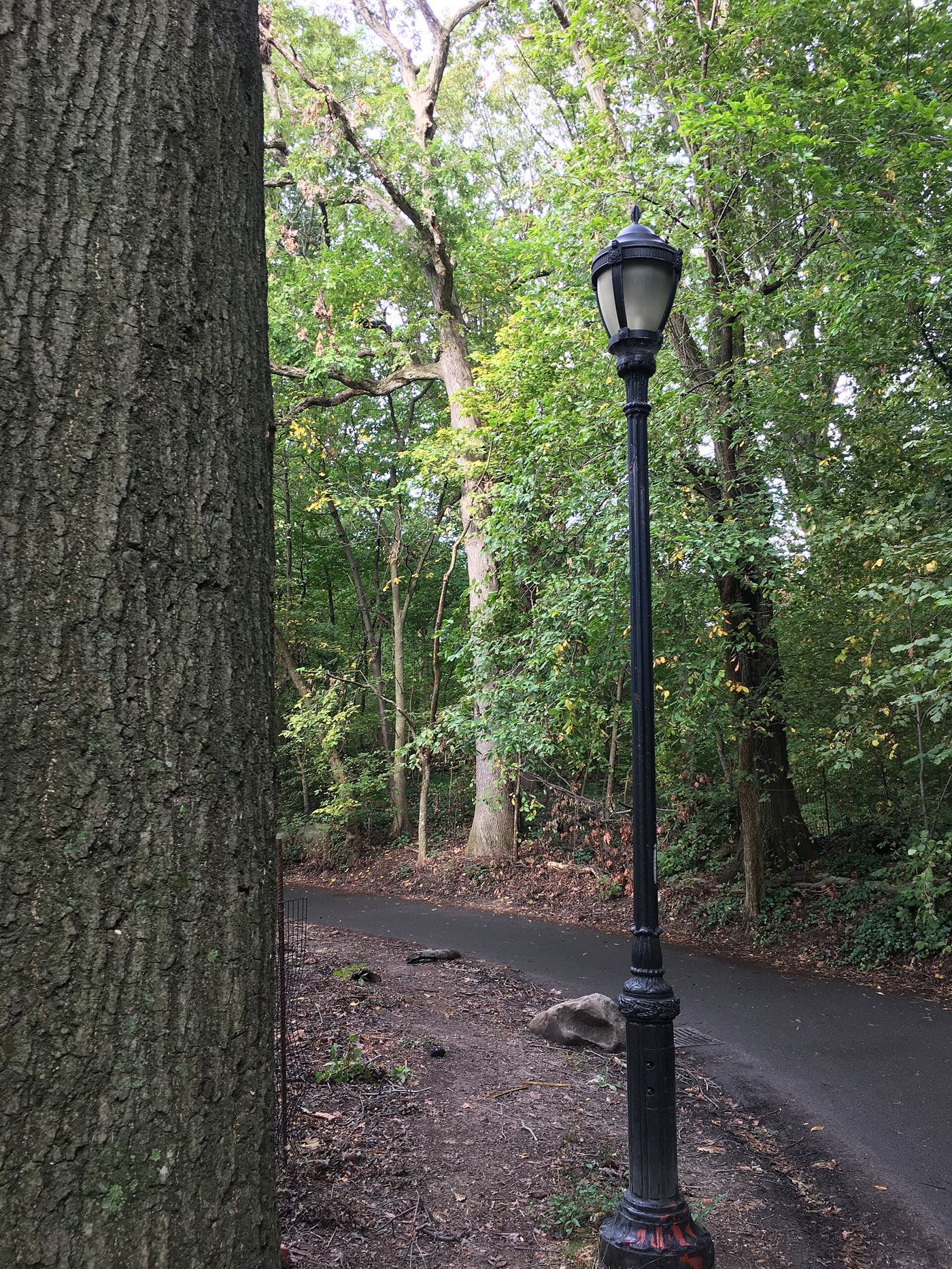
Park walking groups are expanding in towns and cities this autumn, as councils, health services, and volunteer leaders team up to offer free, led walks that anyone can join without booking. The routes are deliberately gentle, usually thirty to sixty minutes on well kept park pathways, with shorter loops for beginners and people returning after illness. Walk leaders say the social side is the real draw. Regulars look out for each other, notice when someone is missing, and often stay for coffee afterwards. New members frequently arrive nervous and leave with plans for the following week, which is exactly the outcome organisers hoped for when the scheme began locally.
What the Evidence Shows
Doctors and public health nurses increasingly recommend the walks to patients who need more activity but dislike gyms or competitive sport. Walking in a group also feels safer for older residents and for people walking alone in darker months. Councils provide route checks, leader training, and basic insurance, while volunteers keep attendance lists and welcome newcomers. Some parks now offer themed walks, including birdwatching mornings and history routes, to keep regulars interested. Funding remains modest, but organisers argue the value is clear: low cost activity, stronger neighbourhood ties, and public parks being used as the shared community spaces they were designed to be. Reporting and analysis from sources such as Reuters track the same developments, and specialists following free led walks in parks say the direction is now consistent across independent lines of evidence.
The Wider Context
The wider context is a public conversation conducted at a speed institutions were not built for. Developments around free led walks in parks are announced, contested and revised within a single news cycle, and the officials involved have learned to publish evidence alongside claims so that scrutiny can actually occur. Trust, the polling suggests, follows that transparency more than it follows confidence.
What Happens Next
What happens next in the story of free led walks in parks will be decided in the places where it is being implemented, measured and argued about in public. The officials and organisations involved have committed to publishing progress data, and that commitment gives residents, businesses and journalists something firmer than promises to judge. The next milestones are dated, which means they can be checked. You can follow related developments in our coverage of news.
There is a practical lesson in all of this for readers deciding what to do today. Start with the verified facts, be wary of anyone promising certainty, and prefer reversible steps while the evidence is still developing. Circumstances differ by country, income and personal situation, so general guidance should always be weighed against your own context before you act on it in any significant or lasting way.
It is also worth remembering how quickly the picture in this area has changed before. Positions that looked settled a few years ago have been revised as new data arrived, and the same humility is appropriate now. The strongest coverage of this subject, and the most useful advice, tends to come from sources that update their views openly when the facts move, rather than defending an earlier position long after it has stopped fitting the evidence available.
